Body: The greatest gift but not for the lazy
This post includes an original song-video that playfully reflects it.
Without it, we wouldn’t be able to experience the most unique phenomenon called life.
Without it, we wouldn’t be able to experience ourselves as ourselves.
Without it, we wouldn’t be able to experience anything at all.
The BODY.
One would think that such a precious and unique gift – the greatest one we will ever receive from nature – would receive equally precious and grateful treatment. But is that really the case? A quick glance at any random person on the street suggests the answer is no. And after spending some time with that same random person, the answer becomes a definite no: there is plenty of taking advantage of the body, and very little taking care of it.
Out of sheer ignorance or deliberate negligence, a large portion of the world’s population simply doesn’t care about their bodies, no matter what they tell themselves or others. They say they don’t have the time, or the means, or the energy. Or they claim they’re “already doing it.” Plenty of talking the talk, but very little walking the walk.
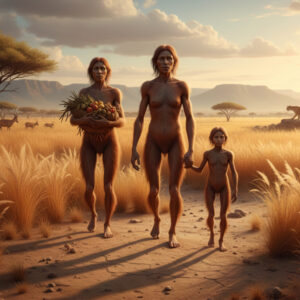
Speaking of walking – do we even remember how to do it? Everybody is riding something today: if not a car, then an electric scooter, an e-bike, a hoverboard, or something else. It seems like we’re doing everything in our power not to be active, even if it means avoiding a short walk to the store. Wasn’t walking one of the things that made us human in the first place?
Did you know that ancient Indian texts like the Rigveda and Atharvaveda describe the ideal human lifespan as around 100 years – sometimes extending to 120 under ideal conditions? Modern science actually aligns with this. Researchers estimate that humans have the biological potential to live roughly 120-125 years, based on DNA, cellular repair mechanisms, and how our bodies age at the molecular level.
Yet in the modern world, where everything is available within a click or a stretch of the arm, it’s common for people in their forties and fifties to begin taking medication for high blood pressure, high cholesterol, or other chronic conditions they often developed over time. Even with the boost of medication, the vast majority of people will not reach the final quarter of the human lifespan. In theory, medicine should help extend it, but for now it mostly helps us experience a somewhat more comfortable old age – or at least kill the pain. And Zverce won’t even get into the whole issue of painkillers and how widely they’re misused.
Nowadays, it has become normal for young adults in their twenties to already have a belly. At the peak of their physical energy – when they should be most active, building their bodies and their place in society – they often let inactivity take over rather than doing something about it. This tendency usually continues into their thirties. It might seem like a small detail, but it’s a striking indicator of how inactive we’ve become as a species.

Today, it has become normal for young adults in their twenties to already have a belly. At the peak of their physical energy – when they should be most active, building their bodies and their place in society – they would rather grow their own hand-rests than actually do something about it. And this just continues into their thirties without ever delivering whatever they’ve been pregnant with. It might be a detail that many would overlook, but it’s a great indicator of how inactive we have become as a species.
Even the birds on the branch know that a little bit of daily physical exercise boosts happy-hormone production. So it’s not just about how it affects our bodies, but our minds also. Plus, it makes us feel more productive and gives us that feeling of winning small victories every day. Exercise or physical activity doesn’t have to be strenuous in order to be effective. As a matter of fact, it should not be strenuous. We don’t want to go from regular couch potatoes to completely exhausted gym rats.
Why is it not healthy to be one of those heavy lifters or half-marathon-every-other-day runners? In short, it puts too much stress on the heart, causes large heart-rate changes, can damage cartilage and tendons, leads to the loss of too much body and facial fat (making a person look prematurely aged), can restrict mobility, etc. But the most important aspect is that it is simply too tiring. People on these hard workout regimes plan their day around their gym sessions, not the other way around. What’s supposed to be a healthy addition to one’s life becomes the time-consuming, exhausting center of it. And that’s the key word – exhausting. All you want to do after a workout is teleport yourself into your bed and not move at all for the next few hours.
Without any doubt, we can conclude that it drains your energy rather than restoring it and preparing you for the day. On the other hand, there are these benefits:
- improved flexibility, stability, and breathing
- heart rate stays lower and more stable, great for calming the nervous system
- activates the parasympathetic nervous system (“rest and digest”)
- and many more (over 50 different benefits), but this one stands out: it gives you a calming and refreshing state of both body and mind, so it’s best done early in the morning.
And yes, you guessed it – it’s yoga. Then again, who in the world gets up at 5 a.m. to stretch and twist their bodies?
Which brings us to the next favorite activity of humans – sleeping, the first one being sitting. From vertically resting to horizontally reclined, you don’t have to be a horologist to know it doesn’t take much time to switch, but it does take forever to eventually get up. But it’s not just about oversleeping; just like with over-working out, the issue happens with undersleeping too. Due to restlessness, too much food and/or caffeine, going to bed too late, and other reasons, many of us don’t get the needed 6-8 hours of sleep.
Once again, balance is needed. Without balance, there is no proper ratio of use to excuse, so abuse becomes the usual way to amuse. And we all love amusement above anything. Whether it comes through screen time or liquid fun or savory entertainment or some other way, it doesn’t matter – just keep it coming.
We so easily replace the Buddha’s nirvana with “nibble nirvana” that once again our body’s well-being is put aside for a little bit of sensory pleasure. Meat, processed food, sugar – the list goes on and on. Once those five minutes of taste-bud adventure are gone, inertia sets in again. Then we, of course, have to lie down a bit and rest. And if you have three meals a day on average, that’s a lot of post-meal rest. Plus, you don’t give your body the time to heal itself, also known as autophagy.
In 2016, a Japanese researcher, Yoshinori Ohsumi, won the Nobel Prize in Medicine for (re)discovering autophagy. But in ancient India, this was a regular part of their lifestyle, which is why they practiced fasting and intermittent fasting, Panchakarma (detoxification practices), and followed common Ayurvedic dietary regulations to give the body the needed free time to repair on a cellular level. But modern people, instead of self-cleansing, get self-roasting. And as we all know, whatever you roast for too long is going to come out burnt and smelly.
And this, we can probably agree on – nobody likes burnt and smelly things coming out of our bodies, right? So, that’s why IBS, allergies, and many autoimmune diseases are on the rise globally – because it simply means our bodies are turning against us. And that’s completely okay – because we turned against them first, so it’s fair for them to fight back. If we keep fighting them, it’s only a matter of time before they strike back, correct? Correct? Zverce wants you to take a moment and think about it. But no snacking while doing that.
When we expand this body perspective into other layers of its existence, we can see we don’t dress it in the right clothing either. Yes, Zverce understands some (or many) of us like to wear latex and synthetic materials, but can’t you do it only on special nights and wear natural garments the rest of the time? Your body would be so grateful. It’s not just your skin, the largest organ in the human body, that would respond well to natural fibers, but it has an immense impact on how you feel and think too. For example, cotton, with its soft, breathable, moisture-absorbing properties, keeps skin cool and dry and reduces irritation. Pleasantness on the bodily level means pleasantness in the mind also, even if you don’t notice it yourself.
The same goes for how you treat your clothing. Natural detergents are made from plant-based ingredients free from harsh chemicals, synthetic fragrances, phosphates, and artificial dyes. They’re often biodegradable and eco-friendly. So, they affect all three: the body (hypoallergenic), they’re gentle on fabrics, and they’re eco-friendly. Should we even get into natural skincare – and how it compares to so-called chemical skincare? I thought so.
How much time do you spend in nature – or do you spend any at all? Remember, these bodies that we carry are made of food, which comes from the earth. Yes, even the most processed, refined, shelf-(un)stable food you can find comes from soil one way or another. Breathing deeply in fresh air is another benefit of a natural environment, which we don’t get to enjoy anymore in urban areas. What do you often choose in your free time – the outdoors, or cafés and malls?
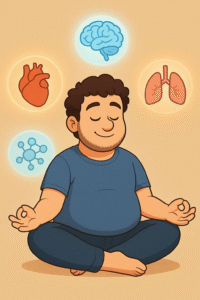
Unlike in sleep, where the metabolic rate goes up along with brain activity, regular meditation calms down the metabolism and lowers the entropy, giving trillions of cells the chance to work in harmony, a heart to beat tirelessly, lungs to breathe in life-giving oxygen, and a brain to imagine, emote, and memorize. Every movement, thought, and sensation is powered by this biological masterpiece. From healing wounds to fighting infections, the body’s resilience is astonishing. It is, without exaggeration, a daily miracle.
The COVID-19 pandemic might have ended, but the laziness epidemic never even stopped. Sedentary lifestyles, poor diets, irregular sleep, and chronic stress have become the norm.
We rely on quick fixes, convenience foods, and passive entertainment.
We smoke, drink, overeat, ignore symptoms, and complain about fatigue.
We take the body for granted.
But what we rarely do is pause to give our body the attention it deserves – until it starts to ache. Without the pain, most of the time we wouldn’t even acknowledge the greatest gift we’ve been bestowed with. Is your body truly your temple as you claim?
copyright © Zverce 2025